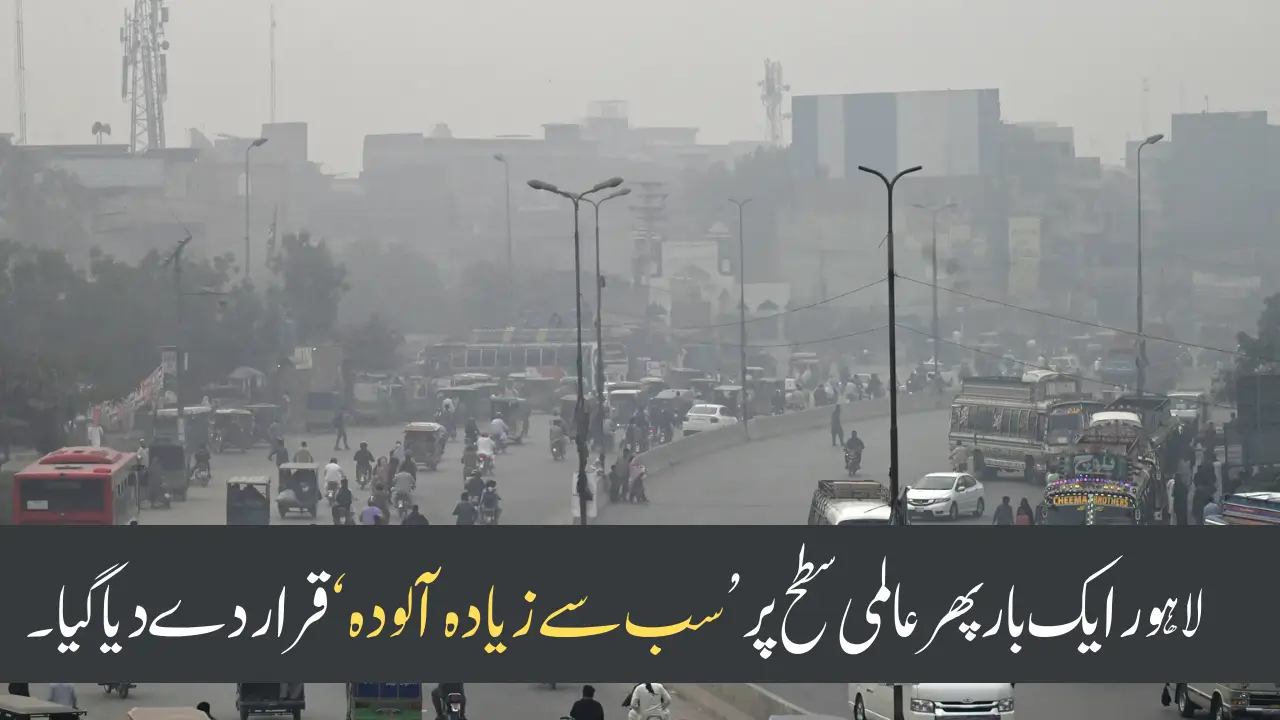
Air Quality Crisis: Lahore Declared Pakistan’s Most Polluted City Yet Again as AQI reaches hazardous levels, exposing the severity of smog and pollution in the Punjab capital.
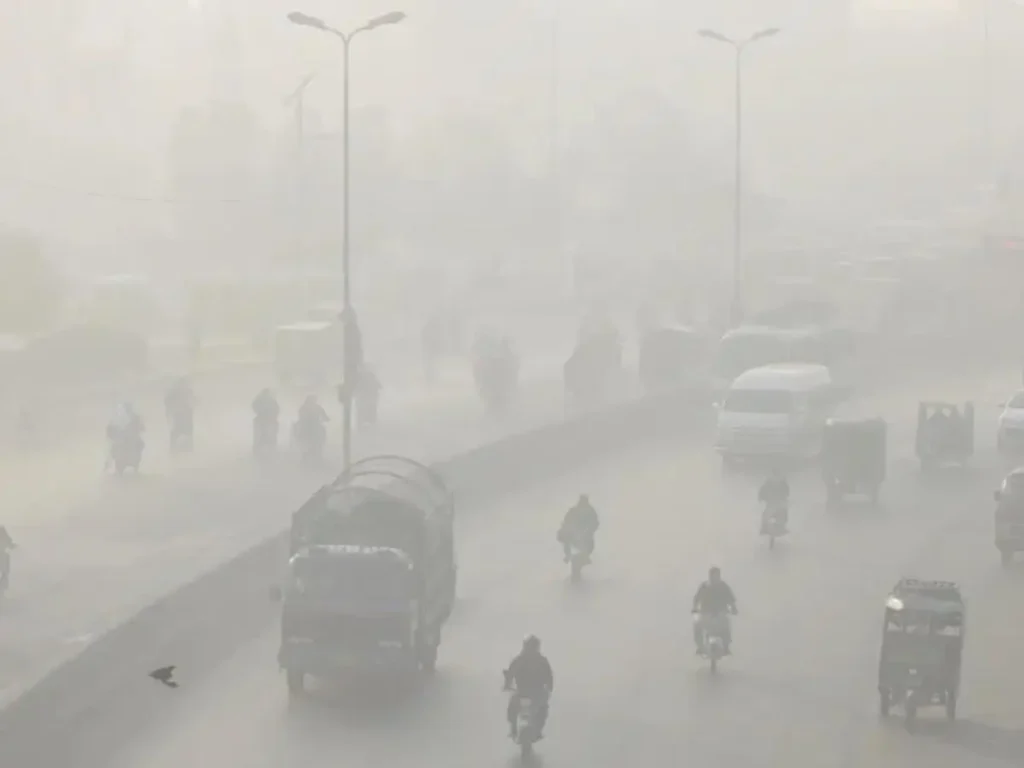
Lahore, Pakistan’s cultural and economic hub, is once again grappling with a severe air quality crisis. The city has been officially declared the most polluted in Pakistan, according to data from IQAir, a global air quality monitoring platform. On Thursday, the Air Quality Index (AQI) in Lahore soared to 497, a level classified as “hazardous” by international standards.
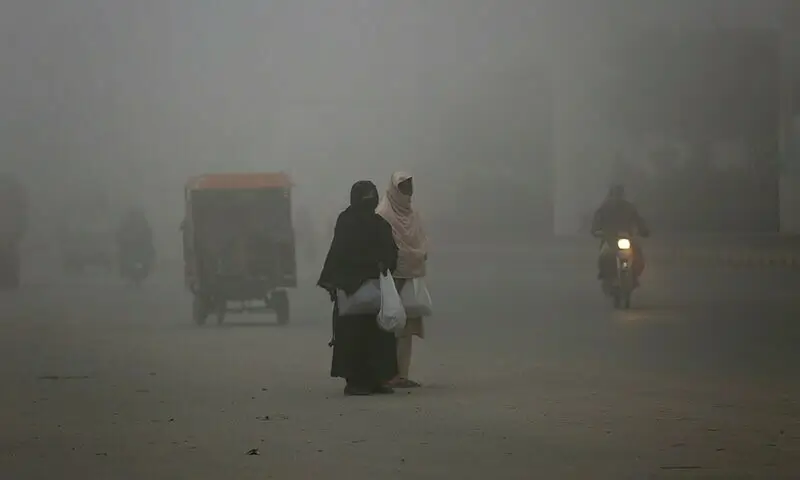
This alarming situation has drawn attention from government authorities, environmental experts, and health organizations. Residents in key districts such as Johar Town, DHA, Iqbal Town, Bedian, Barki Road, Askari, and the Civil Secretariat have been exposed to toxic air that poses significant health risks.
Lahore AQI Peaks at Hazardous Levels
On Thursday, Lahore’s AQI reached 497, reflecting extremely hazardous air quality conditions. The timeline of pollution levels is as follows:
- Morning (11 AM): AQI peaked at 497, prompting health alerts for all residents.
- Afternoon: Levels briefly improved to “very unhealthy” but remained unsafe.
- Evening (7 PM): AQI spiked again to 278, leaving most neighborhoods enveloped in dense smog.
You can also read: Government Likely to Revise Petroleum Prices
The Environmental Protection Agency (EPA) considers AQI above 300 as extremely hazardous, highlighting the critical nature of the situation.
Most Polluted Areas in Lahore
Certain districts in Lahore have consistently recorded high pollution levels, putting residents at greater risk:
- Johar Town – Residential areas exposed to persistent smog
- DHA – High-density urban zone with hazardous AQI readings
- Iqbal Town – Industrial and commercial pollution hotspots
- Bedian & Barki Road – Elevated PM2.5 concentrations
- Civil Secretariat – Government offices experiencing severe air quality issues
These areas require targeted interventions to reduce exposure and mitigate health risks.
Government Anti-Smog Measures
The Punjab Environment Protection and Climate Change Department has implemented several measures to combat smog:
- Demolition of Polluting Units: 2,575 units dismantled in November 2025
- Sealing of Violating Premises: 2,500 establishments penalized for non-compliance
- Field Monitoring Programs: Increased inspections to enforce environmental standards
While these measures demonstrate proactive governance, sustained enforcement remains critical for long-term improvement.
PMD Weather and Smog Forecast
The Pakistan Meteorological Department (PMD) has provided detailed weather and smog forecasts:
- Continental air masses prevail across most of Pakistan
- Smog and fog patches expected in Lahore, Sialkot, Gujranwala, Multan, and surrounding areas
- Temperature & Humidity: Maximum 25°C with 85% relative humidity
- Wind: Northwesterly at 5–10 km/h
Meteorological conditions suggest continued unhealthy air quality for the coming days.
Health Risks of Smog Exposure
Exposure to hazardous AQI levels poses serious health concerns:
- Respiratory Disorders: Asthma, bronchitis, and reduced lung function
- Cardiovascular Risks: Increased likelihood of heart attacks and strokes
- Reduced Life Expectancy: PAQI estimates an average loss of seven years due to prolonged exposure
Vulnerable groups, including children, the elderly, and patients with pre-existing conditions, are particularly at risk.
You can also read: Pakistan Pledges to IMF to Increase Agricultural Input tax
Primary Sources of Pollution
Lahore’s air pollution stems primarily from three sources:
- Transportation: Emissions from vehicles and outdated engines
- Industry: Factories and power plants releasing smoke and chemicals
- Brick Kilns: Traditional kilns emitting large quantities of particulate matter
Collectively, these sources contribute over 75% of the city’s total pollution.
Annual PM2.5 Statistics
Air quality monitoring reveals the severity of Lahore’s pollution:
| Metric | Value | Reference Standard |
|---|---|---|
| Average PM2.5 Level | 104.6 µg/m³ | WHO Guideline: 5 µg/m³ |
| Days Exceeding PEQS | 218 days | Punjab Environmental Quality Standards |
| Life Expectancy Reduction | 7 years | PAQI Assessment |
Citizen Safety Measures
Residents can adopt the following measures to reduce exposure:
- Wear N95 or higher-grade masks
- Limit outdoor activities during peak smog hours
- Install air purifiers in homes and offices
- Track real-time AQI updates via mobile apps
Lahore vs Global Cities
Lahore consistently ranks among the most polluted cities globally:
- Pakistan’s most polluted city
- Within top 20 globally for poor air quality
- Comparable to Delhi, Dhaka, and Beijing in AQI metrics
Long-Term Environmental Challenges
Persistent issues exacerbating Lahore’s smog include:
- Rapid Urbanization: Unplanned city expansion
- Climate Variability: Stagnant air and rising temperatures
- Industrial Growth: Factories without emission control systems
Sustainable urban planning and enforcement of environmental policies are key to addressing these challenges.
Community Awareness Initiatives
Local NGOs and citizen groups are actively promoting environmental awareness:
- Educational campaigns on smog prevention
- Urban tree plantation drives
- Workshops in schools to educate children about air pollution
Community participation complements government efforts and reinforces public accountability.
Technological Interventions
Modern technological solutions are assisting in mitigating air pollution:
- Real-time AQI monitoring via apps
- Residential and office-grade air purifiers
- Industrial emission filters and smoke control mechanisms
These interventions provide immediate relief while broader structural reforms are implemented.
You can also read: Alleged Mismanagement During BISP Payment Distribution
Regulatory Framework
Punjab and federal authorities enforce environmental compliance through:
- Punjab Environmental Quality Standards (PEQS)
- EPA Smog Policies – Limits for hazardous AQI
- Monitoring & Reporting – Online systems to track violations
Strict enforcement is critical for sustainable improvement.
FAQs
Q1: What drives Lahore’s recurring smog problem?
A1: Major contributors include emissions from transportation, industries, and brick kilns, exacerbated by stagnant meteorological conditions.
Q2: How hazardous is Lahore’s air?
A2: With AQI above 300, air quality is classified as hazardous, posing risks to all residents.
Q3: Can residents protect themselves?
A3: Yes, masks, air purifiers, and avoiding outdoor activities during peak pollution reduce exposure.
Q4: Why is PM2.5 dangerous?
A4: PM2.5 consists of fine particles that penetrate deep into the lungs and bloodstream, leading to severe health risks.
Q5: What government measures exist to control pollution?
A5: Demolition of polluting units, sealing of violating premises, and rigorous monitoring are underway.
Q6: Will air quality improve soon?
A6: Short-term relief may occur, but lasting improvement requires strict policy enforcement and structural